
Can an 80 TPH Asphalt Batch Plant Meet the Needs of Small City Road Expansion Projects in Surabaya?
Surabaya is one of the fastest-growing cities in Indonesia. As traffic increases and new developments appear, the demand for reliable road expansion projects is rising. Contractors in this region often face a key question: is an 80 TPH asphalt batching plant enough to handle small city road projects? To answer this, let’s explore the plant’s capacity, the nature of Surabaya’s projects, and the benefits it can bring to local contractors.

Understanding the Output of an 80 TPH Asphalt Batch Plant
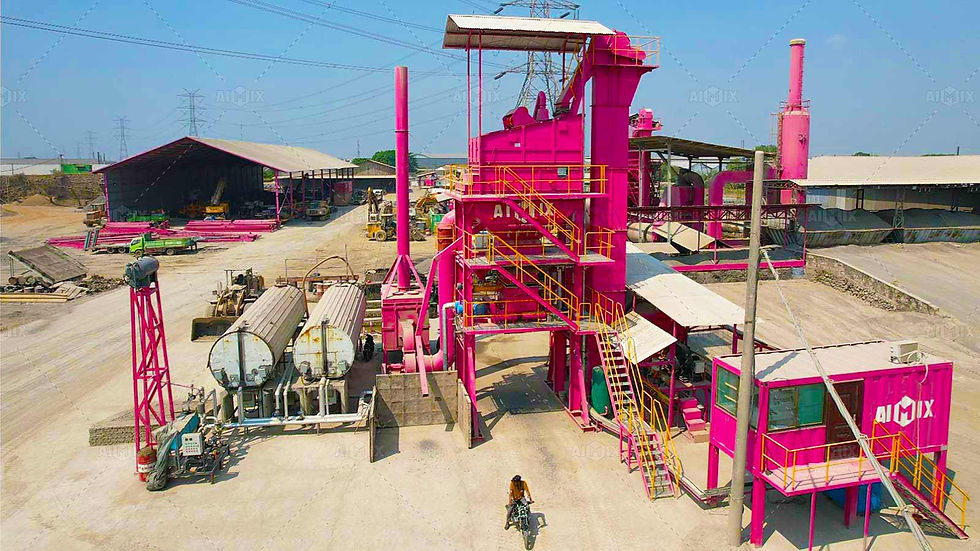
An 80 tons per hour asphalt batch plant is considered a medium-capacity plant. It produces around 640 tons of asphalt in an 8-hour working day. For small city road projects, such as road widening, neighborhood street upgrades, or access road development, this capacity is usually more than sufficient. It strikes a balance between investment cost and production efficiency.
Moreover, the hot mix batching plant can provide consistent quality. They allow adjustments in the mix design, which is crucial for Surabaya’s varying road conditions. From residential areas to small industrial zones, contractors need this flexibility.
Why Surabaya Road Projects Fit This Capacity
Most road projects in Surabaya focus on expansion rather than building entirely new highways. For example, widening two-lane roads into four lanes, resurfacing old streets, or improving access to new housing developments. These jobs require steady supply, not oversized production that creates unnecessary cost.
Because of this, an 80 TPH asphalt batch plant is an ideal match. It delivers the right output without overburdening contractors with excessive fuel consumption or maintenance costs. This way, project budgets remain under control, while work schedules stay on track.

Balancing Cost, Efficiency, and Flexibility
Contractors in Surabaya face strong competition. Winning bids often depends on offering both reasonable prices and reliable completion times. Here, the balance provided by an 80 TPH batch plant becomes clear.
Firstly, the plant consumes less fuel compared to larger models, which directly reduces operating costs. Secondly, it is easier to transport and install, especially when projects are spread across different city zones. Lastly, batch production allows multiple mix recipes in a single day, supporting different layers of pavement in the same project.
Practical Scenarios Where an 80 TPH Plant Works Best
To better understand its value, let’s consider practical use cases in Surabaya. For instance, upgrading a 5 km stretch of a secondary city road may require about 3,000 tons of asphalt. At 80 TPH, the stationary or portable asphalt mixing plant can produce this volume in less than a week of daily operation. This pace matches the construction schedule of most city projects.
Similarly, when contractors handle multiple smaller jobs, such as parking lots or local road intersections, the plant’s flexibility in production scale ensures minimal waste. Instead of overproducing, contractors can supply exactly what is needed.

Future-Proofing for Surabaya’s Growth
Although Surabaya’s current demand fits an 80 TPH plant, contractors often think ahead. Will the plant remain suitable as the city grows? The answer lies in its scalability. Many 80 TPH batch plants can be upgraded with additional bins or improved burners to slightly increase output. This adaptability ensures that the plant continues to serve contractors as project volumes expand.
In other words, choosing this size does not mean limiting future opportunities. Instead, it provides a solid entry point with options for growth.
Conclusion: A Reliable Choice for Surabaya Contractors
So, can an 80 TPH asphalt batch plant meet the needs of small city road expansion projects in Surabaya? The evidence suggests yes. Its production output matches local project scales, its flexibility ensures consistent quality, and its efficiency helps contractors control costs. It is not too large to waste resources, nor too small to delay work.
Partnering with the Right Supplier
If you are a contractor in Surabaya considering an asphalt batch plant, investing in an 80 TPH unit could be the practical choice. We provide not only reliable plants but also after-sales service and local support in Indonesia. By working with us, you gain both the equipment and the assurance that your projects will move forward smoothly.
Contact us today to discuss your project needs. Let’s help you choose the right asphalt mixing solution that keeps your Surabaya road projects on time and on budget.


