
Is A 120 TPH Asphalt Batching Plant Better For Self-Use Projects Than For Commercial Asphalt Sales In Indonesia?
Choosing an asphalt batching plant is never a small decision. In Indonesia, road projects grow fast. Budgets stay tight. Deadlines feel even tighter. Many contractors now ask a very practical question: is a 120 TPH asphalt batching plant better for self-use projects, or does it make more sense for commercial asphalt sales?
This question matters. A 120 TPH asphalt plant is not a small machine. It needs space, people, fuel, and planning. At the same time, it can change how you control quality, cost, and schedule. So, before you invest, you should look at both sides. You should also match the plant to your real business model.
In this article, we will walk through that decision step by step. We will talk about real project needs in Indonesia. We will compare self-use and commercial supply. More importantly, we will focus on what helps contractors make money and avoid risk.

Why 120 TPH Is A Popular Capacity In Indonesia
Before we compare use cases, we need to understand why 120 TPH matters in the first place. This capacity sits in a very practical range. It is not too small. It is not too large. It fits many real projects in Indonesia.
In many provinces, road work includes city roads, industrial parks, ports, and access roads. These projects often need stable daily output. A 120 TPH pabrik aspal hotmix can supply around 800 to 1,000 tons per day in normal shifts. That matches the pace of many medium and large projects.
More importantly, this size gives you room to grow. You can serve one main project today. You can support two or three sites tomorrow. So, capacity becomes a strategic tool, not just a technical number.
Now that we understand the role of this capacity, we can move to the real comparison.
Understanding Self-Use Projects In Real Construction Work
First, let us look at self-use projects. This model means you build asphalt mainly for your own projects. You do not rely on outside suppliers. You control the plant. You control the mix. You control the schedule.
This approach has strong appeal in Indonesia. Many contractors work in remote areas. Some projects sit far from big cities. Asphalt supply there often feels unstable. Prices change. Delivery gets delayed. Quality varies.
With your own 120 TPH asphalt batching plant, you remove many of these risks. You produce when you need. You stop when you want. You adjust the mix to match site conditions.
Better Control Over Schedule And Progress
Time decides profit in construction. When asphalt arrives late, machines stop. Workers wait. Costs rise. With a self-use plant, you reduce this risk. You plan production around your paving schedule.
In practice, this control often saves more money than people expect. Even one delayed week can cost more than many tons of asphalt. So, schedule control becomes a hidden but powerful benefit.
More Stable Quality For Long Projects
Quality problems hurt more than reputation. They hurt your budget. When you run your own plant, you keep the same formula, the same aggregates, and the same process. That means stable quality over months or even years.
This stability matters a lot for government and infrastructure projects in Indonesia. Inspectors check more often. Standards get stricter. A consistent plant helps you pass these checks with less stress.
Clear Cost Structure For Each Ton
When you buy asphalt, you pay a market price. That price changes. When you produce asphalt, you pay for materials, fuel, and labor. These costs change too, but you can control them better.
Over time, many contractors find that self-use production makes cost planning easier. You can calculate cost per ton more accurately. You can also optimize the mix to reduce waste.
However, self-use is not the whole story. To make a smart decision, we also need to look at commercial asphalt sales.

What Commercial Asphalt Sales Really Mean In Practice
Commercial asphalt sales mean you sell asphalt to other contractors or projects. In this model, your plant works like a small business unit. You do not only serve your own sites. You also serve the market.
This idea sounds attractive, especially when you see idle capacity. A 120 TPH stationary or portable asphalt mixing plant rarely runs at full load every day for one project only. So, many owners think about selling extra output.
At first glance, this looks like easy extra income. But in reality, it needs more planning and more discipline.
You Need Stable Customers And Logistics
Asphalt is time-sensitive. You cannot store it for long. That means you need customers close to your plant. You also need trucks, drivers, and a dispatch system.
In busy areas near Jakarta, Surabaya, or Medan, this can work well. Demand stays high. Projects overlap. In remote areas, it becomes harder. Transport cost eats into profit fast.
You Need A Strong Operations Team
When you sell asphalt, you no longer produce only for yourself. You serve different clients. Each client may want a different mix. Each order has its own timing.
This means your plant team must handle more pressure. They must manage quality control, scheduling, and communication at the same time. If they fail, your reputation suffers quickly.
You Face Market Price Competition
Commercial sales also bring price competition. Other plants may already serve the area. Some may cut prices to keep their market share.
So, your profit does not depend only on production cost. It also depends on market strategy. This adds business risk that many construction companies do not expect at first.
Now we can ask the core question again, but with more context.
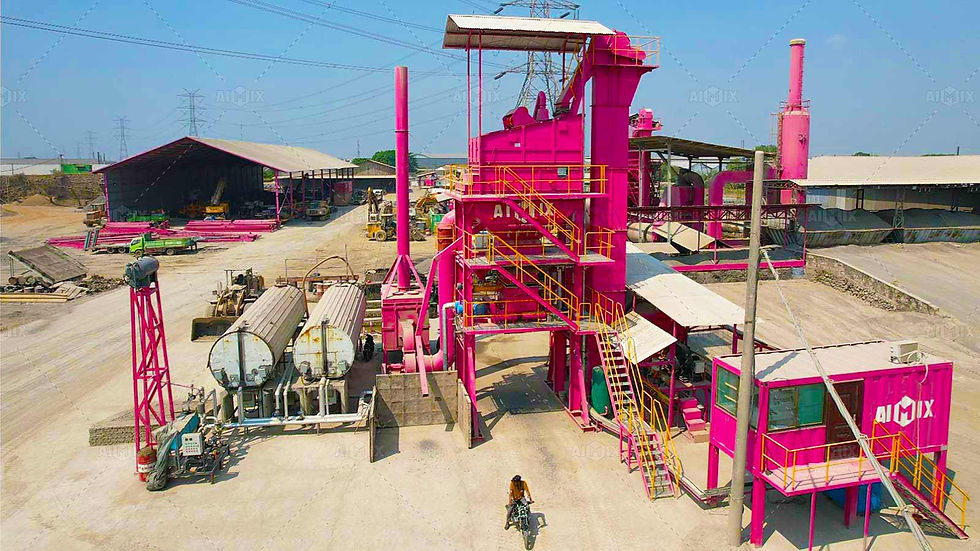
So, Which Model Fits A 120 TPH Asphalt Batching Plant Better?
The honest answer is simple: for most contractors in Indonesia, a 120 TPH asphalt batching plant fits self-use projects first. Commercial sales come second.
Why? Because this capacity matches project-driven production better than pure market supply. Let us break this down in a very practical way.
Capacity Matches Typical Project Demand
Many road and infrastructure projects in Indonesia need steady but not extreme output. A 120 TPH plant can follow the paving pace well. It does not push you to chase outside orders just to stay busy.
This means you can design your operation around project needs. You do not need to depend on unstable market demand to justify the investment.
Risk Stays Lower With Self-Use Priority
Every business risk has a cost. Market risk, customer risk, and price risk all affect commercial sales. With self-use, you mainly face project execution risk, which you already know how to manage.
So, from a risk control point of view, self-use gives you a safer base. You can still sell extra asphalt when it makes sense. But you do not depend on it.
Cash Flow Becomes More Predictable
In self-use mode, asphalt cost becomes part of your project budget. You do not wait for outside customers to pay. You do not chase late payments.
This improves cash flow planning. It also makes financial management easier for many contractors.
However, this does not mean commercial sales have no value. The key lies in balance.
How Many Indonesian Contractors Use A Hybrid Model
In reality, many smart plant owners use a hybrid approach. They buy a 120 TPH asphalt batching plant mainly for their own projects. Then they sell extra output when the plant has free time.
This model has several clear advantages.
First, your core investment already pays back through your own projects. That reduces pressure. Second, extra sales improve equipment utilization. Third, you learn the local market step by step, not all at once.
Over time, some contractors even grow into full commercial suppliers. But they usually start from a strong self-use base.

Key Questions You Should Ask Before You Decide
Before you choose your direction, you should ask yourself a few honest questions.
Do you have stable projects for the next two to three years? If yes, self-use should be your priority.
Is your plant close to other active projects? If yes, commercial sales may bring extra value.
Do you have a team that can manage both production and customers? If not, start simple and grow later.
These questions sound basic, but they save many companies from expensive mistakes.
What This Means When You Choose Your Equipment Supplier
Your business model should also guide your equipment choice. For self-use projects, you should focus on reliability, easy maintenance, and stable quality control.
You want a plant that runs every day without drama. You want simple operation. You want fast support when something goes wrong.
If you plan to add commercial sales later, you should also look at flexibility. The plant should handle different mix designs. It should switch jobs quickly. It should keep accuracy high.
This is where experienced suppliers make a difference. They do not only sell machines. They help you match equipment to your real working conditions in Indonesia.

Final Thoughts: Build Your Core First, Then Expand
So, is a 120 TPH asphalt batching plant better for self-use projects than for commercial asphalt sales in Indonesia? For most contractors, the answer is yes.
This capacity fits project-driven production very well. It gives you control, stability, and predictable costs. It reduces market risk. It supports long-term growth.
Commercial sales can still play a role. But they should come as a bonus, not as the foundation of your investment plan.
If you are planning to invest in a 120 TPH asphalt batching plant, start from your real projects. Build a strong production base. Then, when the time feels right, let the market become your second engine.
That way, your asphalt plant will not just produce asphalt. It will produce long-term value for your business.


